The CSP has launched a report setting out why rehabilitation and physiotherapy must be embedded in every neighbourhood health model.

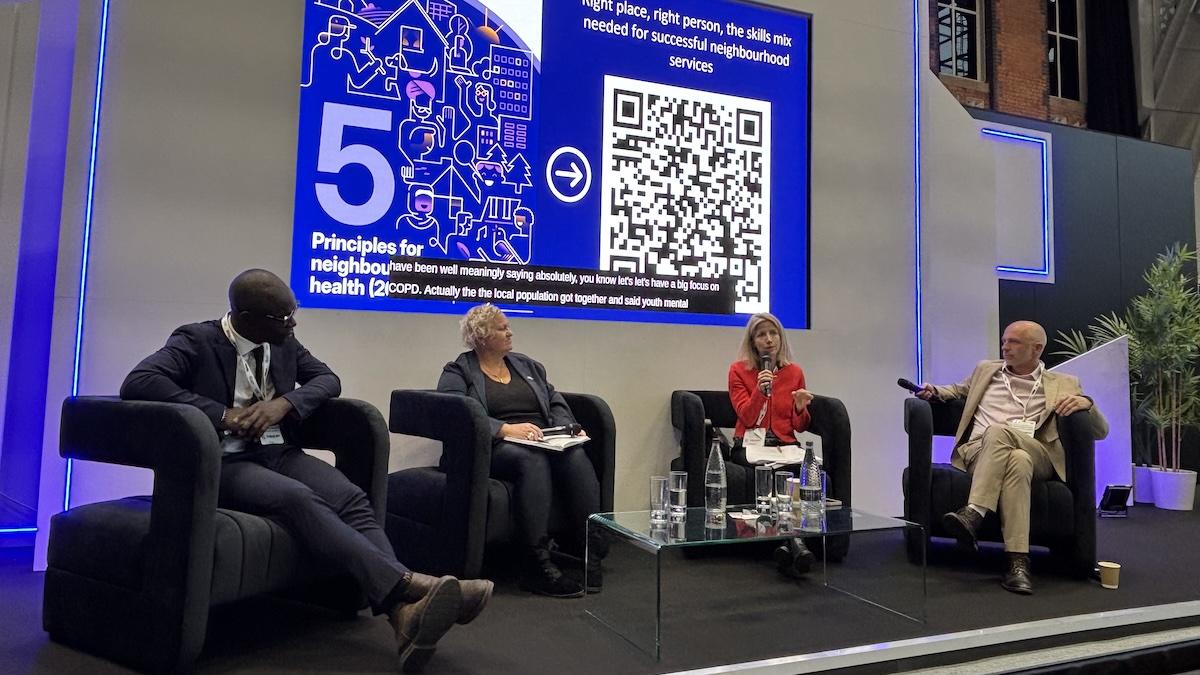
Five Principles for Neighbourhood Health was launched at NHS ConfedExpo, where more than 8,000 NHS leaders, commissioners, clinicians and policymakers gathered.
The report uses ten strong case studies from across the UK to show the innovative and nation-leading work physiotherapists are already doing to support prevention, recovery, independence and better care closer to home.
Together, these examples form the evidence base for five principles that the CSP believes should guide the development of neighbourhood health:
- Unlock the potential of rehabilitation services in prevention and self-management
- Create a reinvestment cycle for recovery
- Invest to transform community health services as part of neighbourhoods
- Measure what matters to people: function, recovery and independence
- Design rehabilitation and leadership capabilities in from the start
Sara Hazzard, assistant director of strategic communications and co-chair of the Community Rehabilitation Alliance, said:
'Neighbourhood health will only succeed if rehabilitation is built in from the start.
Physiotherapy has a vital role to play in helping people recover, stay well, manage long-term conditions and remain independent at home. But this will only happen if neighbourhood teams make full use of the whole workforce – including allied health professionals.
This report shows senior NHS leaders what is already possible when rehabilitation is embedded in local services – and gives members a practical tool to open up conversations in their own systems.
The report was launched at a CSP panel event at ConfedExpo, focused on the skills mix needed for successful neighbourhood services.
The CSP will send the report to every integrated care board and place-based commissioner and leader, making the case directly to those shaping neighbourhood health across England.
Making the case for physiotherapy
Neighbourhood health is becoming a central part of how care is planned and delivered, with an increased focus on prevention, proactive care, joined-up support and helping people stay well at home.
For CSP members, this creates a major opportunity to show the value of physiotherapy in helping systems reduce avoidable hospital use, cut waiting times, support people with long-term conditions and improve recovery.
The ten case studies featured in the report show how physiotherapy-led and rehabilitation-focused services are already delivering results – from reducing admissions and improving flow, to helping people regain independence, manage symptoms and stay connected to the things that matter in their lives.
The report argues that these outcomes cannot be achieved by medical models of care alone. Successful neighbourhood health needs the right skills mix – including rehabilitation expertise, advanced physiotherapy practice, community services, prevention and self-management support.
A tool for members
The report has been written for senior NHS leaders, but it is also intended to support members locally.
Members can share 5 Principles for Neighbourhood Health with senior leaders in their own organisations, systems and neighbourhood teams to open up conversations about how physiotherapy can be embedded in local plans.
It can be used to support discussions about service design, workforce, skills mix, outcomes, leadership and the role of rehabilitation in preventing crisis and supporting recovery.
The CSP is also encouraging members to read and share practical advice on how to get involved in neighbourhood health. Members can read our guidance on how to get involved in neighbourhood health, Sarah De Biase’s blog on what neighbourhood health means for physiotherapy, written by the senior programme manager for improving population health at West Yorkshire ICB, and Dee Pratt’s practical guide on how to lead neighbourhood health, written by the consultant physiotherapist and strategic MSK lead at Surrey Downs Health & Care Partnership and neighbourhood health local coach.
Shaping what comes next
The CSP’s message to NHS leaders is clear: neighbourhood health will only succeed if rehabilitation is embedded in every neighbourhood.
Physiotherapy has a vital role to play in supporting people to recover, stay independent, manage long-term conditions and avoid unnecessary hospital care.
As local systems develop their neighbourhood health plans, members have an important role in making sure rehabilitation is visible, valued and designed in from the beginning.
Share the report with local leaders and use it to start conversations about how physiotherapy can help deliver better outcomes for local populations.
Number of subscribers: 2