When physiotherapy services recognise and respond to the realities of people’s lives, outcomes improve for individuals, services and staff. Find out how equity can become a practical driver of better outcomes, greater engagement, smoother pathways and more sustainable services
On this page:
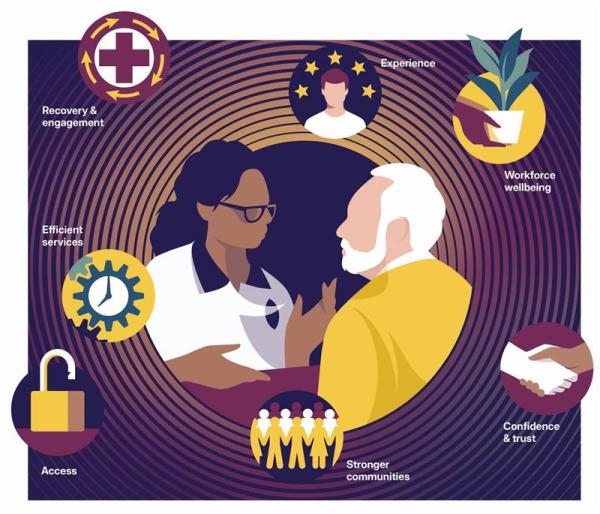
How equity influences outcomes
Understanding and reducing barriers improves access, experience and outcomes.
Barriers such as work patterns, childcare, language, digital access or past experiences don’t just affect who reaches physiotherapy; they also shape how well people recover.
Two people can start the same programme with the same condition, yet their progress may differ dramatically, not because of motivation, but because the system isn’t meeting both of them where they are.
How equity transforms outcomes
Equity in physiotherapy strengthens:
- Recovery and function- Supporting people to achieve goals that matter to them — whether that’s playing with a grandchild, walking to the shops or managing pain more confidently.
- Quality of life- When care fits around real lives, people can engage more fully and benefit more consistently.
- Service performance- Equitable care reduces the need for more complex interventions, supports healthy life expectancy and makes services more cost‑effective.
- Staff wellbeing- When barriers are reduced, clinicians can work more efficiently and with fewer frustrations.
Taking action
Explore examples from practice to find practical steps and top tips to improve outcomes.
Enhancing outcomes through equity involves understanding variation in access, experience and engagement and identifying where improvements can be made. The resources in this section offer examples and guidance to support considered, practical steps that improve outcomes for the people you work with and the services you deliver.
ReadFrontline: The Equity Effect – Better Care, Better Outcomes to discover how inequities in everyday life- from work patterns to past experiences, directly shape physiotherapy outcomes, and why two people with the same condition can progress so differently. The article shows how designing services with equity at their core can improve recovery, reduce system strain and lead to better care for everyone.
Understanding the link between access, experience and outcomes
When we understand how access, experience and outcomes interconnect, we can design services that work better for everyone, supporting consistent improvement, reducing variation and creating environments where people can genuinely thrive.
Frontline magazine equity in action series
This series explores how services are identifying and reducing barriers, and how using people’s and communities’ voices drives meaningful change:
- Unequal access to physiotherapy in the UK
- Beyond access: listening, learning and shaping equitable care
Webinars on health inequalities
Watch: From Equity to Impact – Improving Outcomes in Physiotherapy to discover how equity‑focused physiotherapy can transform patient outcomes and service performance.
Through real‑world examples, this webinar shows how teams are identifying inequities, redesigning services and creating measurable improvements in care. You’ll learn:
- How equity-driven approaches improve outcomes.
- Practical ways to embed equity into everyday physiotherapy practice.
- How services track progress and sustain meaningful change.
How equitable physiotherapy services shape better outcomes for people
People share how equitable physiotherapy services have made meaningful impact on their outcomes. Watch the From Equity to Impact – Improving Outcomes in Physiotherapy webinar signposted above to hear how services have used equity‑driven approaches to create positive, measurable improvements for the individuals and communities they support.
Mark's Story
Karen's Story
Daniel's Story
Links and resources
- Link to the Q Community webinar: An insider’s guide to achieving better outcomes and sustainable healthcare systems
- Learn how to use Outcome and experience measures to understand variation, strengthen equity and demonstrate the real impact of physiotherapy: O| The Chartered Society of Physiotherapy