
As the CSP launches new guidance on long-arm placements, Nina Paterson gathers valuable insights about how to implement them successfully

CSP education adviser Cassie Hayes is excited that new CSP guidance on long-arm placement guidance is now available for members to access on the CSP website.
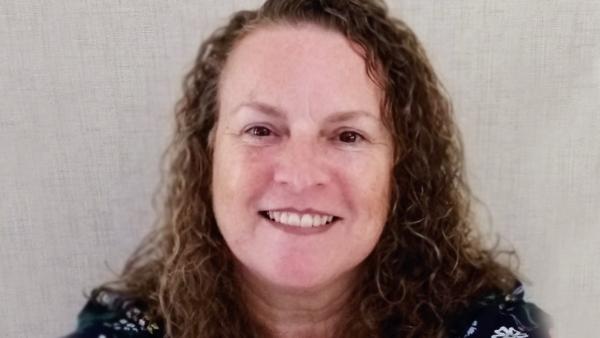
She shares that ‘it clarifies some of the more practical aspects involved in setting them up including insurance and also defines who can support learners on placement,’ making it a must-read for anyone considering long-arm placements.
Long-arm placements are well established within other professions, particularly occupational therapy and nursing, and aren’t new within physiotherapy either.
Cassie notes that ‘CSP has always supported long arm placements’ adding that they ‘provide rich learning experiences and opportunities for meaningful interprofessional education with cross-sharing of expertise and experience between professions.’
To support the launch of the CSP’s new guidance, Melanie Stephens, an associate professor (reader) in adult nursing at the University of Salford, Alex Dunford, a physiotherapy lecturer and placement lead at Bournemouth University, and Clare Shearer, a physiotherapy lecturer and university practice learning adviser who also works at Bournemouth University, shared their experiences of developing long-arm placements, what they are and who they are suitable for.
Underpinned by evidence
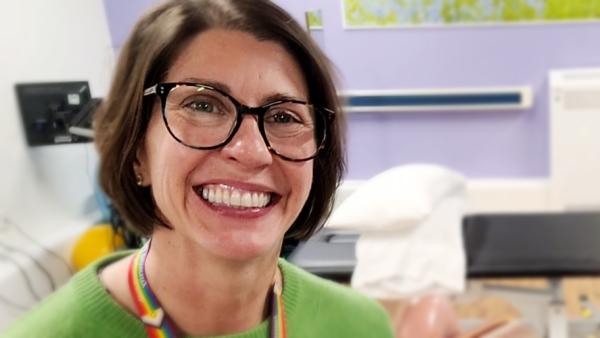
Melanie Stephens has been at the forefront of researching and evidencing the value of long-arm placements, as well as piloting and developing the model for interprofessional care home placements that now runs within the physiotherapy master’s and degree programmes across the Greater Manchester universities.
Cassie shares that Melanie’s research, feasibility study and pilot, along with input from others, including Alex Dunford via the CSP reference group, were pivotal in developing CSP’s own guidance.
What are long-arm placements?
At Salford and Bournemouth students go out in pairs to placements within care homes. They work day-to-day alongside colleagues from other professions and non-registered staff, with the students providing physiotherapeutic interventions and treatments for residents, while being remotely supervised by a physiotherapist.
While the teams at Salford and Bournemouth offer care home placements, other physiotherapy teams are developing placements in women’s health, schools and charities.
And while all these examples might be considered ‘role emerging’ they don’t necessarily have to be.
However, both Melanie and Cassie note that these more underutilised placements provide great opportunities to demonstrate physiotherapy’s value/worth within sectors it’s not always immediately associated with.
Like all placements, long-arm ones are quality assured, and everyone involved – from students to day-to-day supervisors to long-arm supervisors are prepared well and supported throughout to ensure the placement and learning experience is appropriate and successful.
Who are long-term placements suitable for?
Long-arm placements are currently being provided to master’s level physiotherapy students at various stages of their education. At the University of Salford, they are provided at the end of year one for pre-registration master’s students, and in years two and three on the degree programme. The latter is the same at Bournemouth University.
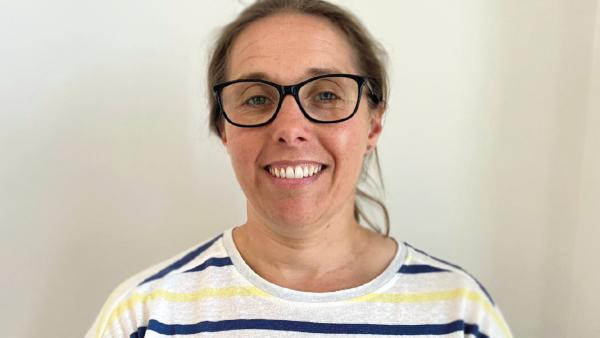
Alex shared that they started by only providing it to third year students, until realising it was only caution that was stopping them from including second years too.
The beneficial impact
Clare shares that both employers and students appreciate the skills developing during long-arm placements – whether that’s problem-solving, communication, integrating into a team, triaging, clinically reasoning, developing creative individual and group physiotherapeutic interventions, as well as motivating and engaging others.
Melanie adds resident experience and cross-professional education to this impressive list. She tells of students teaching permanent care home staff, enabling exercise classes to continue after their placements, and a resident who became so motivated by the class that they now co-teach it alongside those now-skilled up activity coordinators. What a legacy.
If you are interested in offering long-arm placements, Melanie, Alex and Clare offer some practical tips about what to think about and how to get started.
Inspired to try?
All three offer similar advice – start small, plan well, involve everyone in the preparation (including the sceptical), train everyone, and evaluate. And then, in Alex’s words, ‘allow yourself to be swayed by the overwhelming evidence of their value.’ And if you need some encouragement/advice, email Cassie at education@csp.org.uk.
Essential resources
Number of subscribers: 1