






















Osteoporosis is a bone-weakening condition that can lead to broken bones, often resulting from a fall. This summary explains how physiotherapy can help.
On this page:
What is osteoporosis?
Bone loss slowly increases as part of the natural ageing process. It is more rapid in women for several years after the menopause. Bone loss can lead to osteoporosis and an increased risk of broken bones (fractures).
The main reasons why people develop osteoporosis are genes, age and gender. Other risk factors include smoking, drinking more than three units of alcohol a day and not being active.
How can physiotherapy help with osteoporosis?
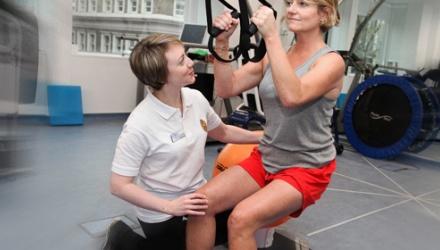
Physiotherapy can help you strengthen your bones, as well as your muscles. It can prevent bone thinning, reduce falls and help you manage any pain.
Bone is a living tissue that can be improved through some types of exercise. A physiotherapist can work with you to find activities that suit your needs and that will strengthen your bones.
Sometimes a compression fracture, when bones in the spine collapse, can produce pain. Physiotherapy can help to manage this pain.
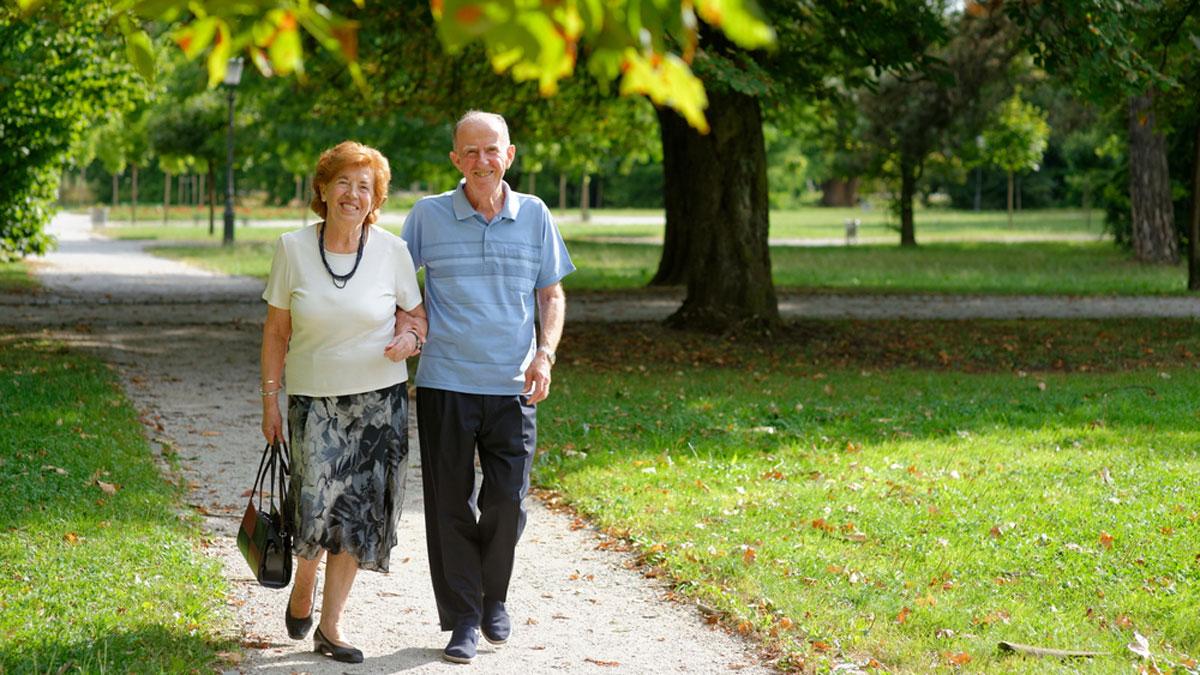
Osteoporosis is more common in older people and often the reason why they fall. Falling is a common problem for people aged 65 and over. If you are at risk of falling, a physio can help you improve your balance.
Physios are the third largest health profession after doctors and nurses. They work in the NHS, in private practice, for charities and in the work-place, through occupational health schemes.
What will happen when I see a physiotherapist?
When you see a physio, they will assess your problem and give you advice. They may give you a physical treatment. Everything you tell the physio will be completely confidential.
So that your physio can have a good look at how you move, they may need you to remove some clothes. It’s a good idea to dress comfortably and wear suitable underwear.
How can I help myself?
If you are worried about osteoporosis or having a fall, ask your GP or a physio for advice.
Weight bearing exercise, such as walking or dancing, can help to strengthen your bones. Weight bearing exercise is any exercise in which you are supporting your own body weight through your feet and legs (or arms and hands).
If you have osteoporosis check with your GP or a physio about what types of exercise would be suitable for you. They may recommend water based exercise classes (at your local swimming pool perhaps) as the water takes some of your weight.
Eat a healthy diet with plenty of calcium and get outside in the sunlight to boost your vitamin D. Calcium and vitamin D are both important for strong bones.
Our skeletons are growing from childhood into early adulthood. During this time, it is very important to make our bones as strong as possible. You can do this by taking plenty of weight bearing exercise and eating a balanced, calcium-rich diet.
Top tips for osteoporosis
- Weight bearing exercise, such as walking, can help to strengthen bones
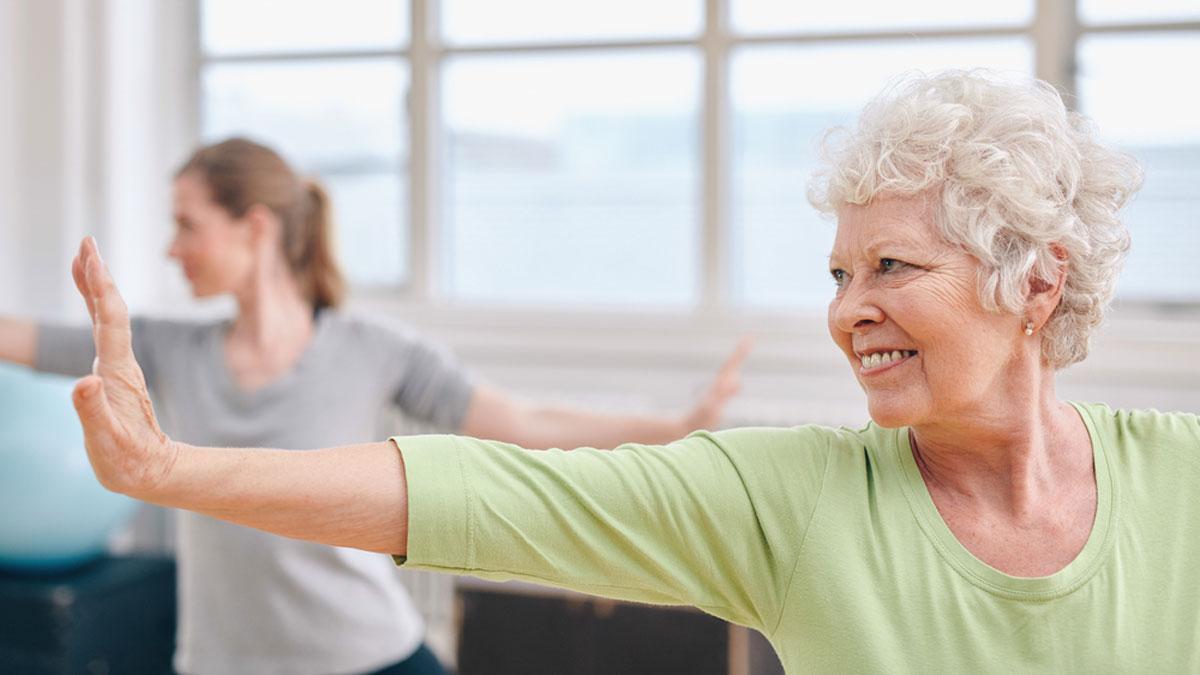
- Exercises to improve your balance and strength will help to prevent falls
- Follow a healthy diet that includes enough calcium and Vitamin D
- Wear sensible, well-fitting shoes to avoid falls
- Avoid rugs and sloppy slippers – both can cause trips
- Have good lighting on your stairs
- Get your eyesight checked regularly (free for people over 60)
- Try to avoid heavy lifting – consider home delivery grocery shopping
Guidance and evidence for physiotherapy
- National Osteoporosis Guidelines Group (NOGG): Information for patients
- Physiotherapy Works (Fragility fractures and falls): Clinical evidence for physiotherapy
Links and further information
- NHS Choices: Comprehensive information on osteoporosis
- Royal Osteoporosis Society: UK charity dedicated to improving the diagnosis, prevention and treatment of osteoporosis
- Versus Arthritis
Disclaimer
The content on this page is provided for general information purposes only and is not meant to replace a physiotherapy or medical consultation. The CSP is not responsible for the content of any external sites, nor should selection be seen as an endorsement of them.