The Chartered Society of Physiotherapy The Chartered Society of Physiotherapy

Incontinence

If incontinence makes you nervous when you cough, sneeze, laugh or exercise, or if you sometimes have to rush to the toilet, physiotherapy can help.


How can physiotherapy help as a treatment for incontinence?

For general information on physiotherapy please see 'What is physiotherapy?'

For information on how to find a physiotherapist, see our Access to physiotherapy page.

One of the possible causes of incontinence is pelvic floor problems. National guidelines recommend that physiotherapy and pelvic floor exercises should be the first treatment of choice.

Physiotherapists who are experienced in this area are able to assess and treat both male incontinence and female incontinence. They can:

  • teach you how to work your pelvic floor muscles correctly
  • give you advice on what and how much to  drink
  • discuss some simple lifestyle changes which will help reduce the impact that this distressing condition can have on your life

What will happen when I see a physiotherapist?

Your first session with a physiotherapist will usually include a detailed assessment. Everything you tell the physiotherapist will be kept completely confidential. They may ask you questions about your:

  • symptoms of bladder problems
  • bowel symptoms 
  • medical history
  • health, fitness levels and lifestyle

Next your physiotherapist will need to find out how your pelvic floor muscles are working. If you consent to this examination being carried out, you will be asked to remove some clothing so that the physiotherapist can see and feel these muscles. It’s a good idea to wear loose fitting, comfortable clothing to your appointment.

At the end of this appointment your physiotherapist will discuss and agree with you a treatment plan to suit you. They will arrange any follow up appointments, and link closely with other healthcare professionals involved with your treatment.

Some physiotherapists use equipment such as ultrasound scanners or biofeedback machines to measure how the muscles are working at the beginning of your treatment. This assessment can be carried out again once you have had some treatment to show how you have improved.

Your treatment for incontinence plan is likely to include:

  • an exercise programme to do at home, including pelvic floor exercises
  • advice on eating and drinking habits, so that you can avoid any food and drink which may worsen your symptoms
  • advice on lifestyle changes and general exercise to help you achieve your treatment goals
  • electrical stimulation
  • biofeedback

It may take up to three months of exercising your pelvic floor muscles before you see a real improvement in your symptoms.

Physiotherapy and incontinence: one patient’s success story

'I’ve found physiotherapy a very effective way of dealing with my bladder problems. My problems have improved very quickly with the help and advice I have been given at my physio sessions.

'Some people may find it embarrassing to seek advice but I can assure them this is not the case.  My first appointment was a chat really, to find out about myself, my lifestyle and medical history, and what problems I was experiencing.

'The physiotherapists deal with these type of problems everyday, so you really don’t need to feel self conscious. I was going to the toilet very frequently both day and night, and had the feeling I wanted to pass water most of the time, even if I had just been. I was also increasingly worried about my bladder control when sneezing and coughing.

'First of all, I had to record the amount of fluids going in and out of my body for about three days. This was very informative because I was drinking a lot of fluids. After being given advice about irritants, I stopped having caffeine.

'On my second visit my pelvic floor was tested and I was given an exercise programme. At first, the exercises seemed quite difficult to achieve but at the follow up appointments you can see how well you are progressing which obviously spurs you on.

'In your everyday life you can also feel the benefits of the exercises and realize that you are not tripping off to the toilet every few minutes or having your sleep disturbed because you need the loo.

'I’ve been surprised by how quickly and effectively my exercises and slight changes to my lifestyle have improved my bladder habits. I am extremely thankful to my physiotherapist for all her help and understanding in the way she has helped me talk about and address my problems.  I would recommend that anyone with a problem seek advice and attend a physiotherapy clinic for help.'

What causes the problem and how can physiotherapy help?

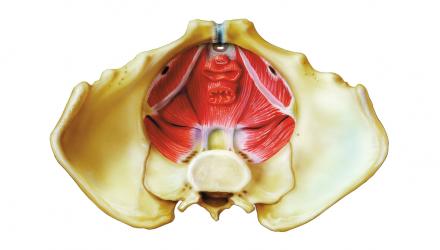
The main cause is weak pelvic floor muscles - the muscles that support the bladder, bowel, uterus, and form the floor of the pelvis. In men, incontinence is most common following prostate surgery, while in women it can be a problem during pregnancy, after childbirth and after the menopause, though it may occur at any time. A persistent cough, frequent constipation or being overweight can make things worse.

Many of us do not use our pelvic floors properly. A physiotherapist can explain how to do this. Incontinence is often due to a weak pelvic floor (particularly in women). Where this is the case, physiotherapy should be the first treatment option before considering an operation.

Some physiotherapists have special training, skills and experience in continence management. Many are members of the Association of Chartered Physiotherapists in Women's Health or the Chartered Physiotherapists Promoting Continence (see below).

To find a specialist continence physiotherapist in your area email Katie@fitwise.co.uk  or telephone 01506 811 077 giving your full postcode. Katie will then contact you with the details of a physiotherapist near your home.

Where can I get more information on physiotherapy and incontinence?

Physiotherapists with a particular interest in incontinence and related treatment techniques might be members of a Professional Network such as::

More information about physiotherapy treatment for bladder and bowel problems can be found in the ACPWH leaflet 'Promoting Continence with Physiotherapy':

National guidelines for treating incontinence suggest that conservative treatment and supervised pelvic floor exercises should be undertaken as first line management for incontinence.                                                                                                                      

The National Institute for Health and Clinical Excellence (NICE) offers guidelines for incontinence and incontinence treatment in England and Wales.

The Scottish Intercollegiate Guidelines Network (SIGN) offers guidelines for urinary incontinence, recommending pelvic floor exercises as first-line treatment for stress or mixed UI, and bladder training for urge UI.

Meanwhile, how can I help myself and find useful advice?

Pelvic floor exercises
The following free leaflets give instructions on basic pelvic floor exercises which can help with incontinence and associated symptoms.


Chartered Physiotherapists Promoting Continence
UK-based professional network providing contact details of physios specialising in continence issues.


Association of Chartered Physiotherapists in Women's Health
UK-based professional network providing contact details of physios specialising in women's health.


Incontact
Independent national charity offering advice and support to people with bladder and bowel problems. Produces a range of information and helplines.


NHS Choices Live Well
Provides information about incontinence, what might cause it, and other useful articles and self-help tips.


The Bladder and Bowel Foundation
A UK charity offering advice, support and free fact sheets for people with bladder and bowel problems.


‘Your pelvic floor’ website
Continence expert Professor Grace Dorey provides a range of information and exercises for men and women.


Incontinence UK
Provides information, products and services in relation to incontinence.  


NHS Choices: Incontinence
Information on incontinence and self-help tips.

Incontinence: Further links and resources

Patient info UK

  • Support groups, useful web sites, videos, books 
  • Leaflets on health conditions and disabilities
  • Patient info UK


NHS Direct (England) 


NHS 24 (Scotland)


NHS Direct (Wales) (Galw Iechyd Cymru)

Disclaimer: The content on this page is provided for general information purposes only and is not meant to replace an individual consultation with a healthcare professional. The CSP is not responsible for the content of external sites and their inclusion should not be seen as an official endorsement.

Links

Your message will be:

I thought you might be interested in this page on the Chartered Society of Physiotherapy website.