
























Cerebral palsy (CP) is caused by an injury to the brain before, during or after birth. It mainly affects muscle control and movement. This summary explains how physiotherapy can help.
On this page:
What is cerebral palsy?
Cerebral palsy itself is not progressive because the injury to the brain does not change. The effects, however, do change over time. Growth spurts, changing levels of activity and illness can also change the effects.
There may be no obvious reason why a child has cerebral palsy. The main causes include:
- infection in the early part of pregnancy
- lack of oxygen to the brain
- abnormal brain development
- a genetic link
How can physiotherapy help with cerebral palsy?
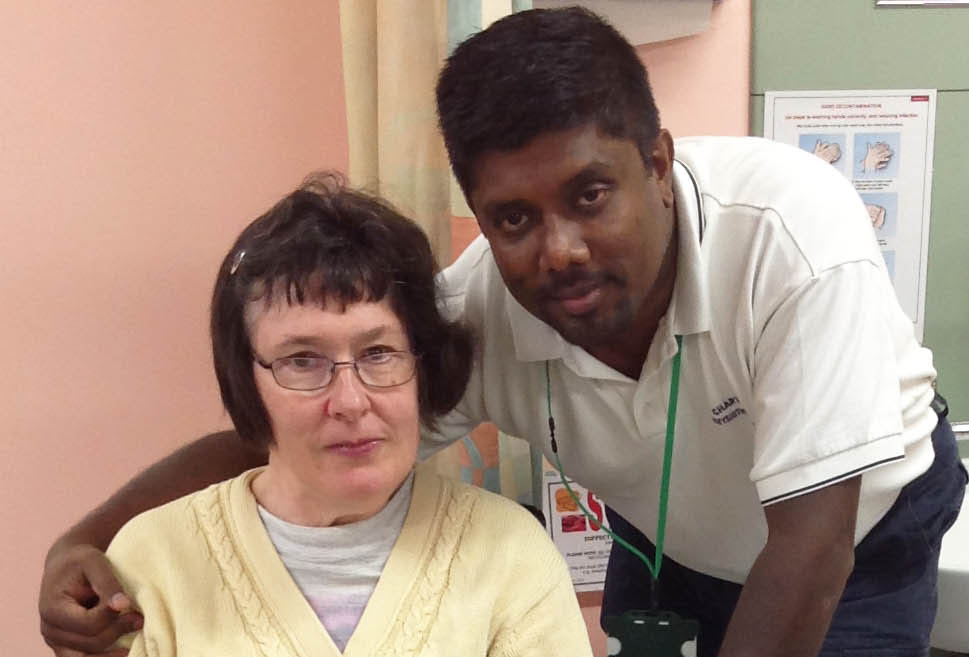
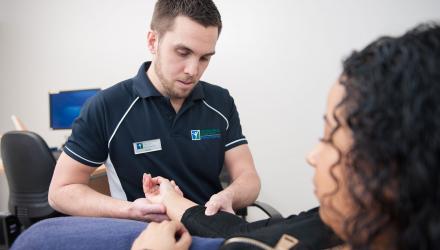
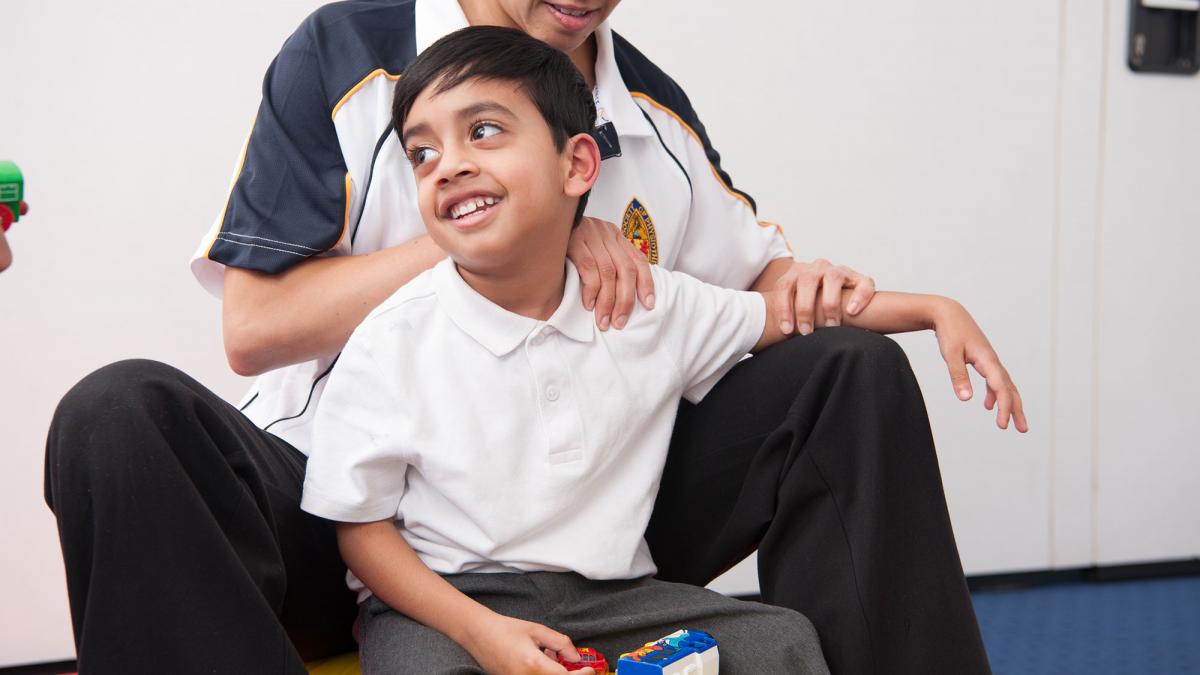
Physiotherapists play a key role in supporting children and adults with cerebral palsy. Physios usually become involved around the time of diagnosis. Their main aim will be to help children and adults with cerebral palsy to be as mobile and independent as possible.
A physio can provide advice on managing the effects of the condition. This will include encouraging young people to become involved in their own development. Getting involved in this way will help the young person to meet challenges as they arise, in all areas of their lives.
As the young person grows into adulthood, physios can continue to identify and help to solve problems. These problems might relate to maintaining mobility or getting involved in leisure activities or sports.
Physios are the third largest health profession after doctors and nurses. They work in the NHS, in private practice, for charities and in the work-place, through occupational health schemes.
What will happen when I see a physiotherapist?
When you see a physio, they will assess the problems you or your child are having and give you advice. They may give a physical treatment. Everything you tell the physio will be completely confidential.
If you are an adult, it is a good idea to wear loose-fitting comfortable clothes and suitable underwear. The physio may need you to remove some clothes so they can have a good look at how you move.
Usually, children are seen with a parent or carer. Written consent is required from the legal guardian before treatment can begin.
How can I help myself?
If you or your child have been given a programme of exercises, try to build this into your daily routine. This can help prevent secondary problems developing. If a particular daily task is difficult, seek advice, as there may be a way around it.
Your physio will help you to identify treatment goals. Often, these goals are linked to carrying out every-day activities, such as washing and dressing.
Links and further information
- NHS Choices: Causes, types and symptoms of cerebral palsy
- Scope: UK disability charity with a focus on cerebral palsy. Helpline: 0808 800 3333
- Contact: UK charity for for families with disabled children Telephone: 020 7608 8700
Disclaimer
The content on this page is provided for general information purposes only and is not meant to replace a physiotherapy or medical consultation. The CSP is not responsible for the content of any external sites, nor should selection be seen as an endorsement of them.