The Chartered Society of Physiotherapy The Chartered Society of Physiotherapy

Back pain

If you suffer from back pain or encounter lower back ache, physiotherapy can help.

How can physiotherapy help with back pain?

For general information on physiotherapy please see 'What is physiotherapy?'

For information on how to find a physiotherapist, see our Access to physiotherapy page.

Physiotherapists are highly skilled in supporting people with back pain. They provide advice and education on exercises for back pain, relief from backache and offer tips for back pain management. They may also offer other treatments such as manual therapy and acupuncture.

Physios play a key role in promoting active healthy lifestyles and preventing recurrence of injury or illness.

What will happen when I see a physiotherapist?

Your first session with a physiotherapist will usually include a detailed assessment. Everything you tell the physiotherapist will be confidential. They will ask you questions about your:

  • current symptoms, including pain 
  • medical history
  • health, fitness levels and lifestyle 

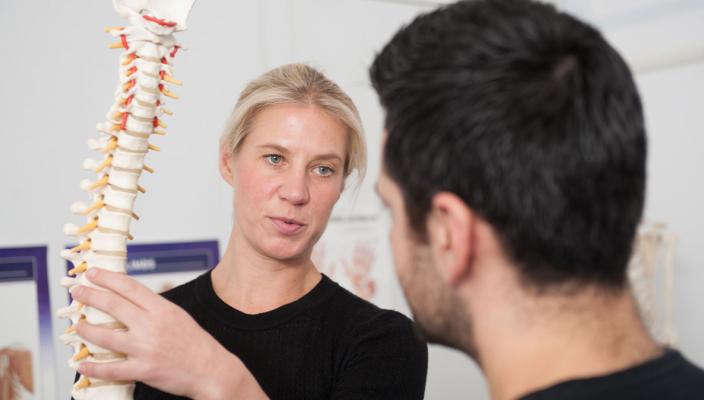
The physiotherapist will assess how your back is working and how back pain is affecting your life. They will check your posture, watch how you move and they also may need to feel your back.

Your physio may ask you to remove some clothing so that they can have a look at you back. It’s a good idea to wear loose fitting, comfortable clothing to your appointment.

At this first appointment the physio will usually discuss and agree with you achievable goals and a suitable back pain management programme.

They will arrange any follow up appointments, and link closely with any other healthcare professionals who are involved in your treatment.

The physiotherapist will explain how you can manage back pain, contribute to your own recovery and prevent the problem recurring. Your consultation is likely to include: 

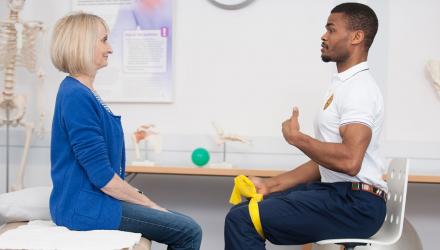
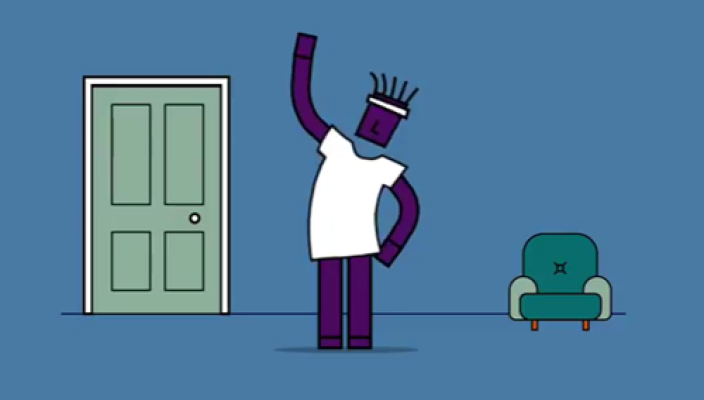
  • advice about exercises for back pain to do at home, and physical activities that may help
  • advice on how to improve your posture
  • education on how to manage your back problem in the long term and how to prevent further problems in the future
  • lifestyle advice and tips to help you manage back pain, including activities you should avoid
  • manual therapy, such as joint mobilisation or manipulation
  • soft tissue techniques, such as massage, for short-term back pain relief

It may also include:

  • acupuncture if your physio thinks this might help
  • nerve mobilisation if you have pain going down your leg
  • advice on improving your health including weight reduction and smoking cessation 

Where can I get more information on physiotherapy and back pain?

Physiotherapists with a particular interest in back pain and related treatment techniques might be members of a Professional Network.

Many physiotherapists who belong to the Neuromusculoskeletal Alliance of the Chartered Society of Physiotherapy have advanced training and additional qualifications relevant to treating and managing back pain.

The National Institute for Health and Clinical Excellence (NICE) offers guidelines for back pain treatment in England and Wales.

As well as advice on back pain, keeping active and medication, your physiotherapist can also help you choose one of the following treatments, all of which have been shown to help with back pain:

  • An exercise for lower back pain programme, usually in a group
  • A course of manual therapy, including manipulation
  • A course of acupuncture

Your physiotherapist will advise you on which treatment would be most suitable.

Meanwhile, how can I help myself and find useful advice?

NHS Choices
Advice and top tips for managing back pain and keeping a healthy back.


Arthritis Research UK
Charity providing information on back pain, back ache and arthritis. 


Backcare
A national charity helping people manage and prevent back pain. Offers a range of information and runs a helpline.


Working Backs Scotland
Public health campaign run by the Health Education Board for Scotlandand the Health and Safety Executive.

Back pain: Further links and resources

Patient info UK

  • Support groups, useful web sites, videos, books 
  • Leaflets on health conditions and disabilities
  • Patient info UK


NHS Direct (England) 


NHS 24 (Scotland)


NHS Direct (Wales) (Galw Iechyd Cymru)

Disclaimer: The content on this page is provided for general information purposes only and is not meant to replace an individual consultation with a healthcare professional. The CSP is not responsible for the content of external sites and their inclusion should not be seen as an official endorsement.

Links

Your message will be:

I thought you might be interested in this page on the Chartered Society of Physiotherapy website.