























Being able to control your asthma symptoms, such as breathlessness and coughing, can improve your quality of life greatly. This summary explains how physiotherapy can help.
On this page:
What is asthma?
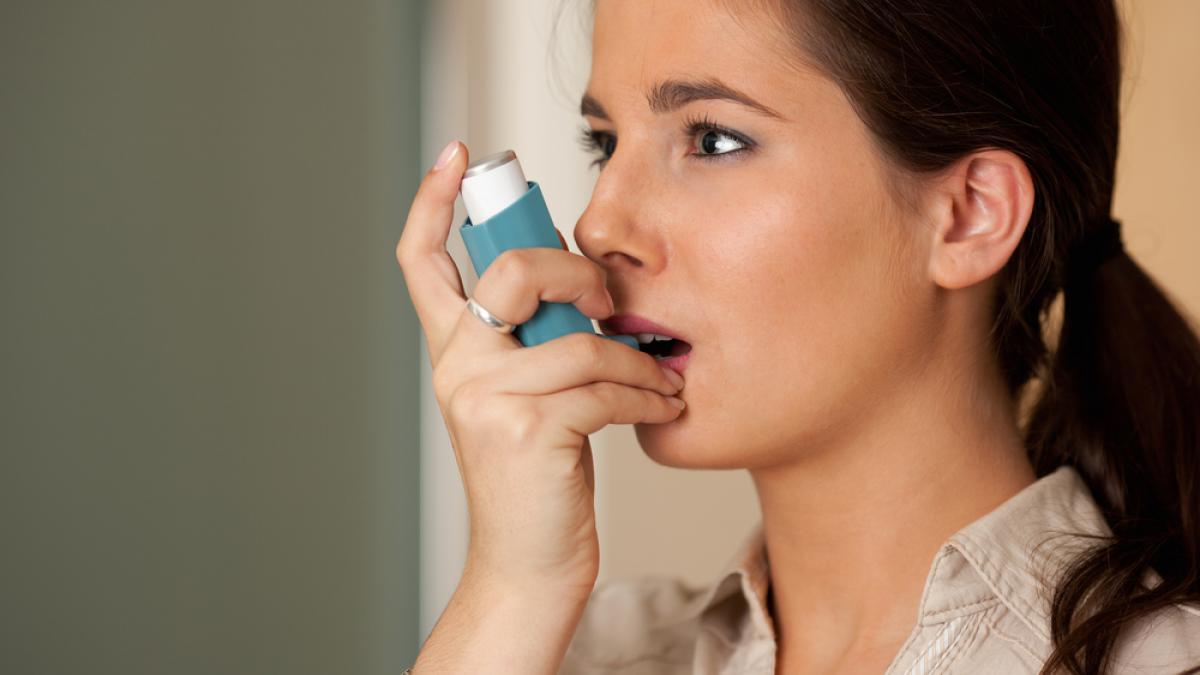
Asthma affects the airways that carry air in and out of the lungs. When someone with asthma is exposed to certain irritants, these airways become inflamed and narrower. This leads to coughing, shortness of breath, wheezing and tightness in the chest.
It is difficult to say for sure what causes asthma. You are more likely to develop it if you have a family history of asthma, eczema or allergies. It is likely that this, combined with certain environmental factors, affects whether someone develops the condition.
How can physiotherapy help control asthma?
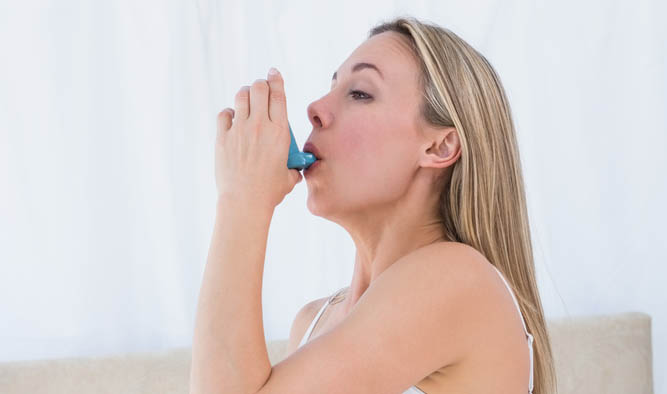
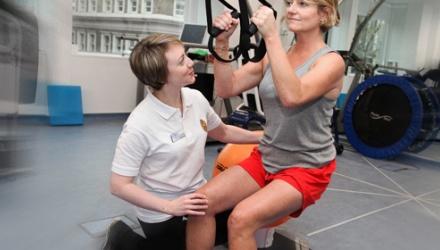
Physiotherapists are very skilled at supporting people with asthma. If you have asthma, a physio can help you to take control of it through information, education and their specialist skills.
Specialist skills that physios can offer include showing you how to breathe in a more relaxed way and retraining your breathing. Physios can also advise how to manage symptoms such as coughing, shortness of breath, wheezing and excess mucus.
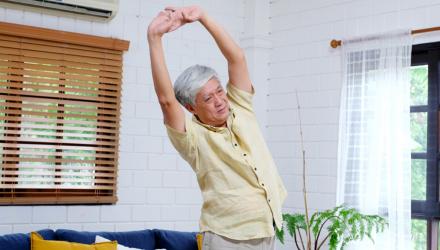
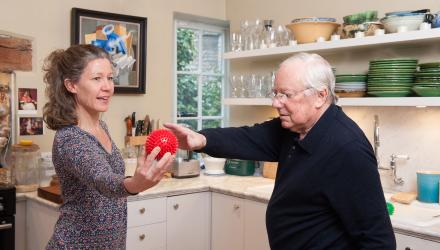
Physical activity and exercise can be helpful in managing asthma. Physios can advise you on how to become more active and suitable activities for your personal circumstances.
Physios are the third largest health profession after doctors and nurses. They work in the NHS, in private practice, for charities and in the work place, through occupational health schemes.
What will happen when I see a physiotherapist?
Make sure you see a specialist respiratory physio as they are highly skilled in treating breathing conditions. When you see a physio, they will assess your problem and give you advice. They may give you a physical treatment. Everything you tell the physio will be completely confidential.
So that your physio can have a good look at how you breathe and move, they may need you to remove some clothes. It’s a good idea to dress comfortably and wear suitable underwear.
How can I help myself?
There is a lot you can do to manage your asthma and stay in control of it. It is very important to:
- Know what medicines to take, how much and when
- Know what triggers your asthma and avoid these triggers
- Have an up-to-date asthma action plan. Your physio will be able to help you with this or will be able to direct you to your local asthma nurse
Many people with asthma do not take enough exercise, often because they are worried that it will trigger their symptoms.
However, being fit can often help with managing asthma. Your physio can give you advice and support to keep as fit as possible.
If your asthma is under control and you rarely have symptoms, you should be able to do any sport or exercise you enjoy.
Famous athletes such as Bradley Wiggins and Paula Radcliffe have found ways to manage their asthma, so it is worth trying to find ways that work for you.
Top tips for living with asthma
- Review your symptoms and medicines with a healthcare professional at least once a year - more often if you have severe asthma
- Ensure you have an up-to-date asthma action plan in place
- Ensure you know what medicines to take, how much, how to take them and when to take them
- Use your preventer inhaler regularly as prescribed. This will reduce your risk of having an asthma attack if you come into contact with a trigger
- Keep as physically active as you can (eg walking, housework) and if possible exercise (eg an exercise programme). It is important to start slowly and only gradually increase your activity as your body gets used to it
- Ensure you know who to contact if your symptoms are getting worse
Guidance and evidence for physiotherapy
Links and further information
- Information for patients on asthma and services: NHS Choices (Asthma)
- Find an asthma nurse: Asthma UK
- Learn more about respiratory care: British Thoracic Society
Disclaimer
The content on this page is provided for general information purposes only and is not meant to replace a physiotherapy or medical consultation. The CSP is not responsible for the content of any external sites, nor should selection be seen as an endorsement of them.