



















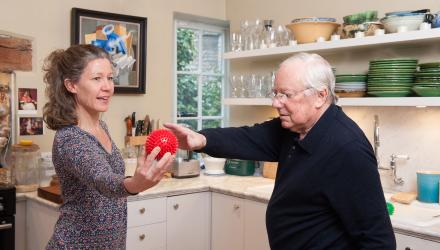







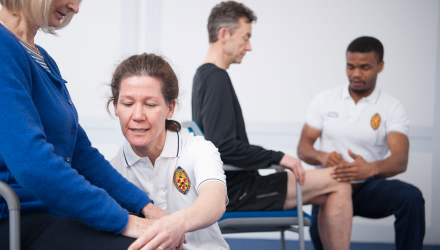







Physiotherapy helps restore movement and function when someone is affected by injury, illness or disability.
Find a physiotherapist
How do you get to see a physiotherapist? Find out about access options here.Find a qualified physiotherapist near you with our Physio2U directory
Physiotherapists help people affected by injury, illness or disability through movement and exercise, manual therapy, education and advice.
They maintain health for people of all ages, helping patients to manage pain and prevent disease.
The profession helps to encourage development and facilitate recovery, enabling people to stay in work while helping them remain independent for as long as possible.
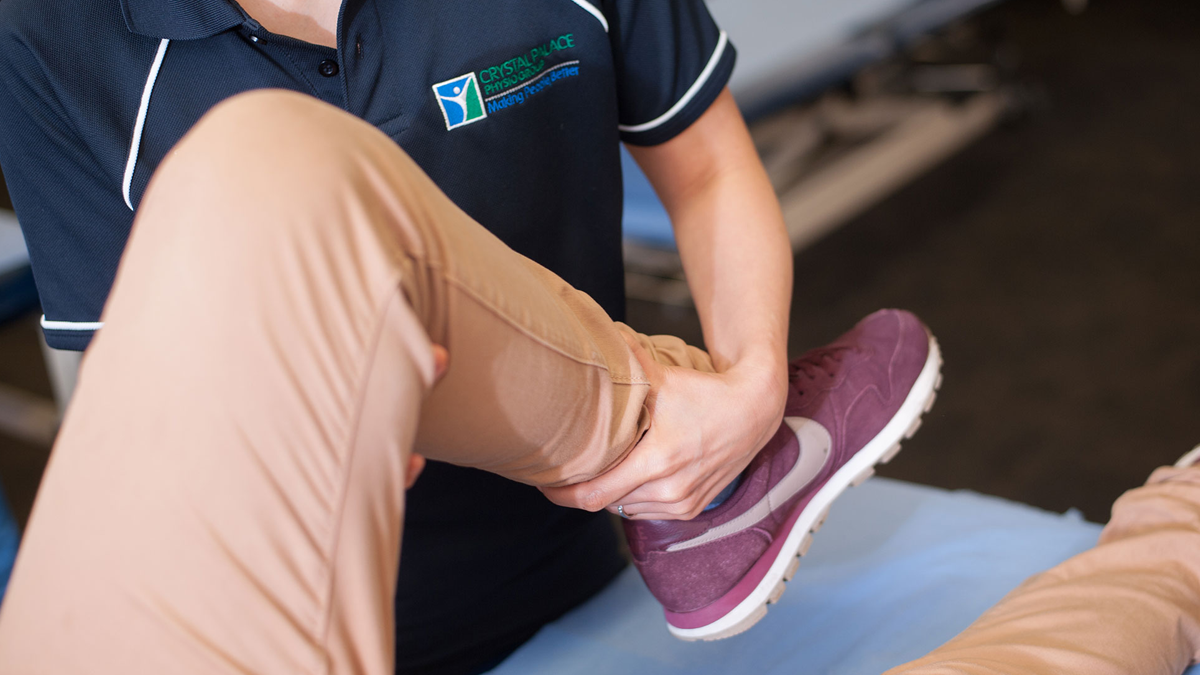
What physiotherapists do
Read the evidence
Our Physiotherapy Works briefings demonstrate the effectiveness of physiotherapy in treating a wide range of conditionsPhysiotherapy is a science-based profession and takes a ‘whole person’ approach to health and wellbeing, which includes the patient’s general lifestyle.
At the core is the patient’s involvement in their own care, through education, awareness, empowerment and participation in their treatment.
You can benefit from physiotherapy at any time in your life. Physiotherapy helps with back pain or sudden injury, managing long-term medical condition such as asthma, and in preparing for childbirth or a sporting event.
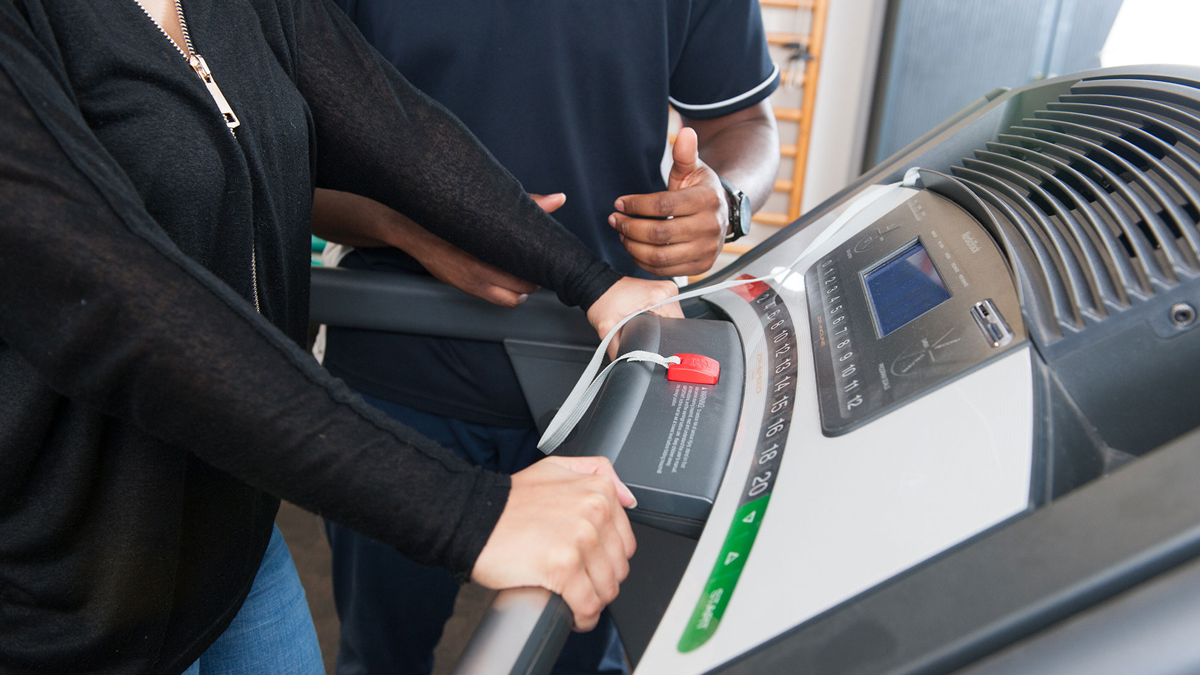
Why physiotherapy?
Physiotherapy is a degree-based healthcare profession. Physios use their knowledge and skills to improve a range of conditions associated with different systems of the body, such as:
- Neurological (stroke, multiple sclerosis, Parkinson's)
- Neuromusculoskeletal (back pain, whiplash associated disorder, sports injuries, arthritis)
- Cardiovascular (chronic heart disease, rehabilitation after heart attack)
- Respiratory (asthma, chronic obstructive pulmonary disease, cystic fibrosis).
Physiotherapists work in a variety of specialisms in health and social care. Additionally, some physiotherapists are involved in education, research and service management.